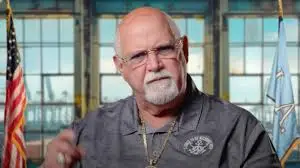
Harold Dagget
The Longshoremen’s Union, whose members reportedly earn $147,000 annually plus benefits, has decided to strike, rejecting a 50% pay raise and instead demanding a 77% increase. This substantial pay hike would not only drive up shipping costs and lowering supply, but ultimately be passed on to consumers.
In a recent interview, Harold J. Daggett, the Union President who earned nearly $900,000 last year, threatened, “I will cripple you,” referring to the potential economic impact if the union’s demands are not met. Daggett cited the many imported goods and commodities that would not be unloaded if the union takes action.
How Much is Imported
According to the Office of the US Trade Representative, the US is the largest importer of goods in the world:
Goods Imports
The United States is the largest goods importer in the world. U.S. goods imports from the world totaled $3.2 trillion in 2022, up 14.6 percent ($413.7 billion) from 2021. China was the top supplier of goods to the United States, accounting for 16.5 percent of total goods imports. The top five suppliers of U.S. goods imports in 2022 were: China ($536.3 billion), Mexico ($454.8 billion), Canada ($436.6 billion), Japan ($148.1 billion), and Germany ($146.6 billion). U.S. goods imports from the European Union 27 were $553.3 billion. – source USTR
Consumers will face limited goods and higher prices. Demand will rise during the strike and after, as ports struggle to unload the backlog of ships waiting offshore. This will drive up costs for the goods currently in stock in the US.
Political Fallout
A single-day strike would affect prices across the board, from food to fuel. However, the long-term political consequences could be more significant for politicians who heavily endorse unions, like Harris and Walz. Voters may react negatively to the strike, especially given recent polling showing Americans favor the Trump/Vance ticket on economic issues. Higher commodity prices, which have already skyrocketed in recent years, could further sway voter decisions against the Harris/Walz campaign.
While the President could invoke the Taft-Hartley Act to force the union back to work for 80 days, union members may intentionally decrease productivity during that time, as Daggett stated. However, the 80-day period could still buy time to get through the election with less damage than a full-blown strike.
How long will it last?
The duration of the strike remains uncertain. Despite the looming 80-day Taft-Hartley injunction, the union appears to be leveraging the upcoming election in its strategy, potentially hoping that pressure from the White House will compel port operators to negotiate and concede to the union’s demands, thereby ending the strike as soon as possible.
What are your thoughts? Are the Longshoremen deserving of such a pay hike? Did they use the election as leverage? Do you feel that the Union Boss threats to “cripple” the economy help or hurt their cause? Comment Below.
About the Author

Discover more from SHR Media
Subscribe to get the latest posts sent to your email.