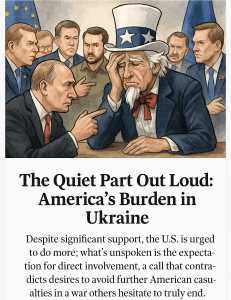
The Quiet Part Out Loud: America's Burden in Ukraine
This article was written in the immediate aftermath of a public conversation on X involving myself (@2againsttyranny), former Ambassador Michael McFaul, Czech hockey legend Dominik Hašek, and Milena Machová. The thread exposed a quiet but persistent theme in global Ukraine discourse — the expectation that America will escalate its involvement, perhaps even militarily. The supporters won’t say it outright, but it’s clear many would welcome direct American intervention. They know better than to say it out loud, because the American public is tired of endless wars.
Supporters of continued American involvement in Ukraine rarely say it outright, but their message is clear: they want the United States to carry the weight of a war thousands of miles from our shores. They cloak it in phrases like “defend democracy” and “support Ukraine’s sovereignty,” but what they avoid saying is the quiet part out loud — that their end goal is for American boots to be on the ground, directly confronting Russia.
I engaged in a conversation on X recently that laid this hypocrisy bare. After former Ambassador Michael McFaul lamented that “no one in the world respects us now,” Czech hockey legend Dominik Hašek chimed in, warning how much credibility the U.S. has lost globally. But my response was pointed: “It’s funny when we stop just giving money away and demanding we get treated fairly how they suddenly aren’t our friends. It tells you the relationship was never real, just bought.”
Milena Machová later responded, defending the status quo of endless foreign aid, saying, “The US has been giving money away for decades, often without demanding fair treatment.” She acknowledged that shifting expectations makes other nations uncomfortable. That’s the point. It should.
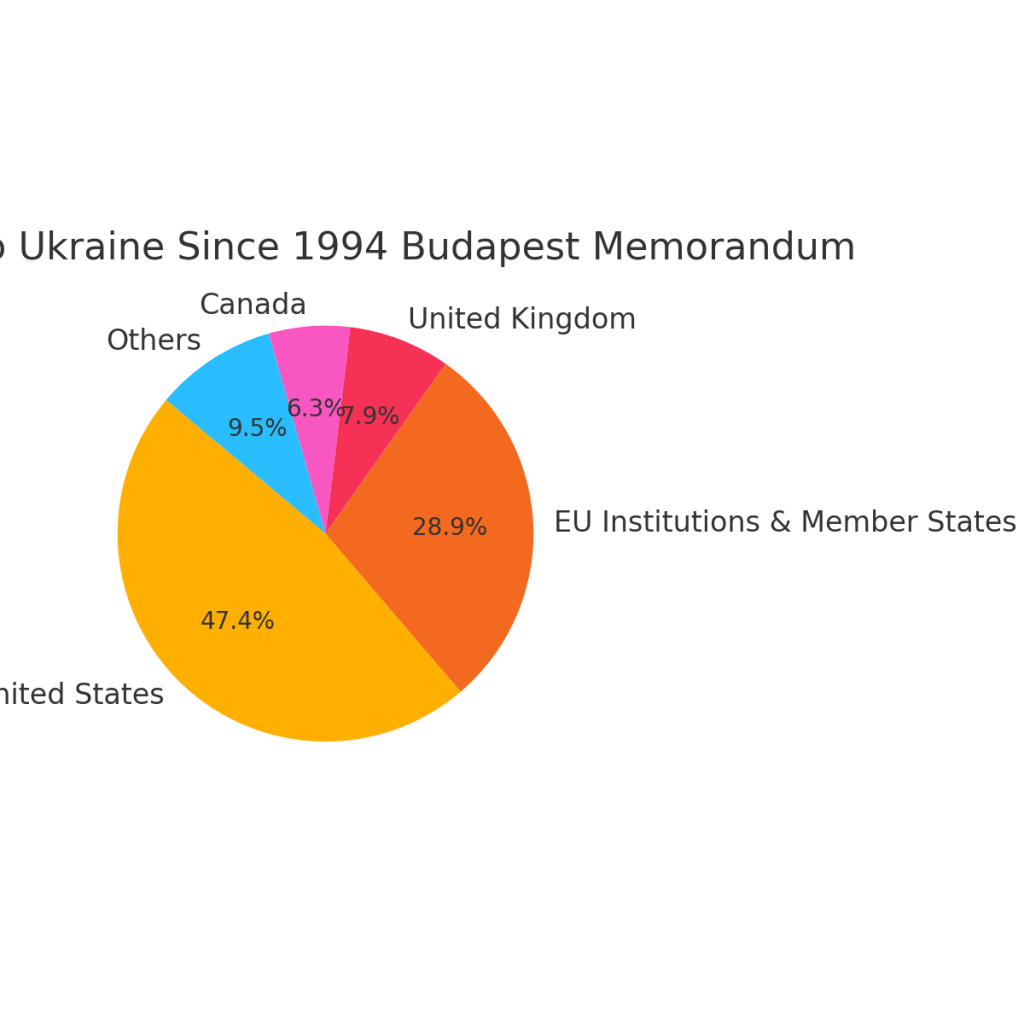
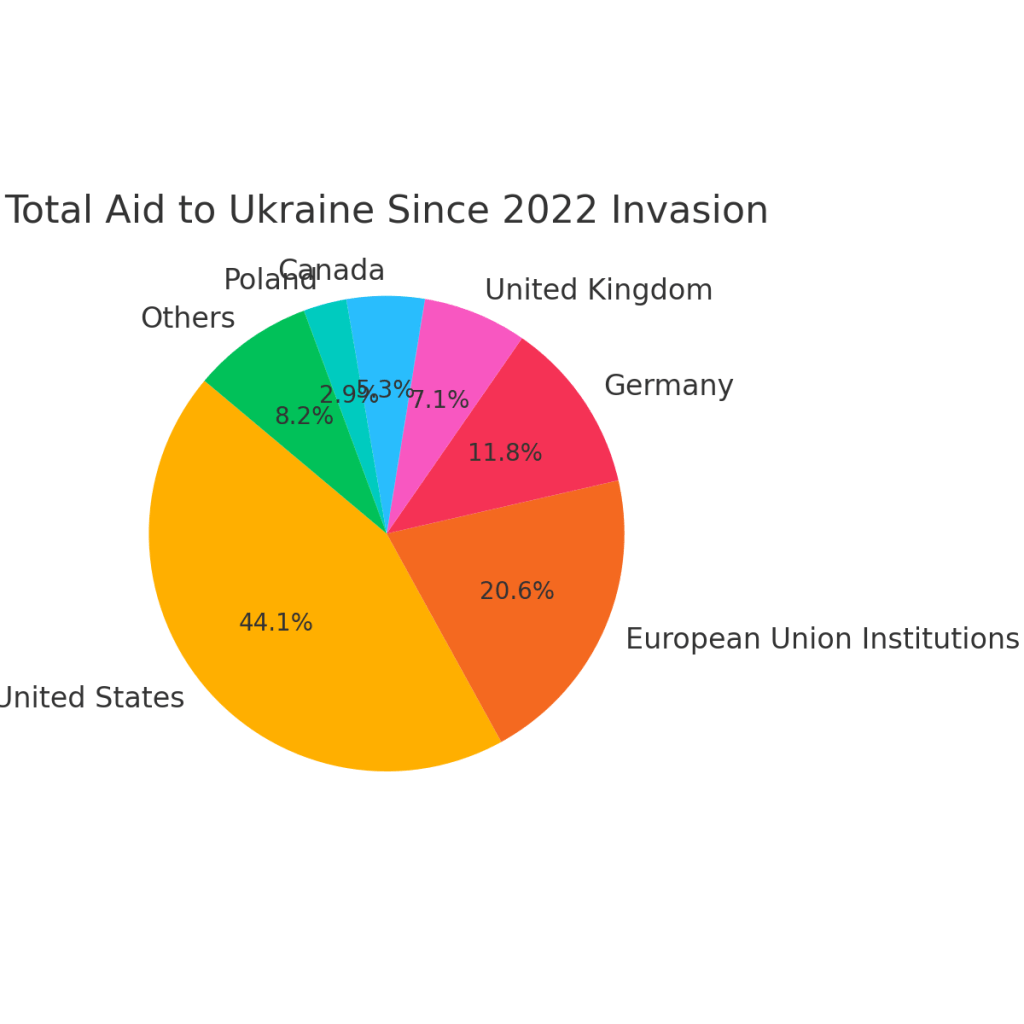
Ukraine is the perfect example. Since the 1994 Budapest Memorandum, the U.S. has poured billions into Ukraine. Yes, the agreement required us to respect Ukraine’s sovereignty — but it did not obligate us to provide security guarantees. Still, we’ve trained their forces, equipped their military, and underwritten a war effort that has become, by all definitions, a proxy conflict with Russia.
And what has the world done? In 2014, when Russia invaded Crimea, the world did nothing. As Russia built up troops and arms over the following years, there were warnings, there were speeches, but no action. Now that the full-scale war is underway, the same global community that turned a blind eye expects the U.S. to stop it.
Many countries — including supposed allies in the EU — are side-stepping sanctions or outright ignoring them. Russia’s war machine is being fed by trade loopholes, back-channel deals, and countries pretending to support sanctions while doing business as usual. Despite this, the United States still leads the world in imposing sanctions against Russia, economically punishing their aggression more than any other nation.
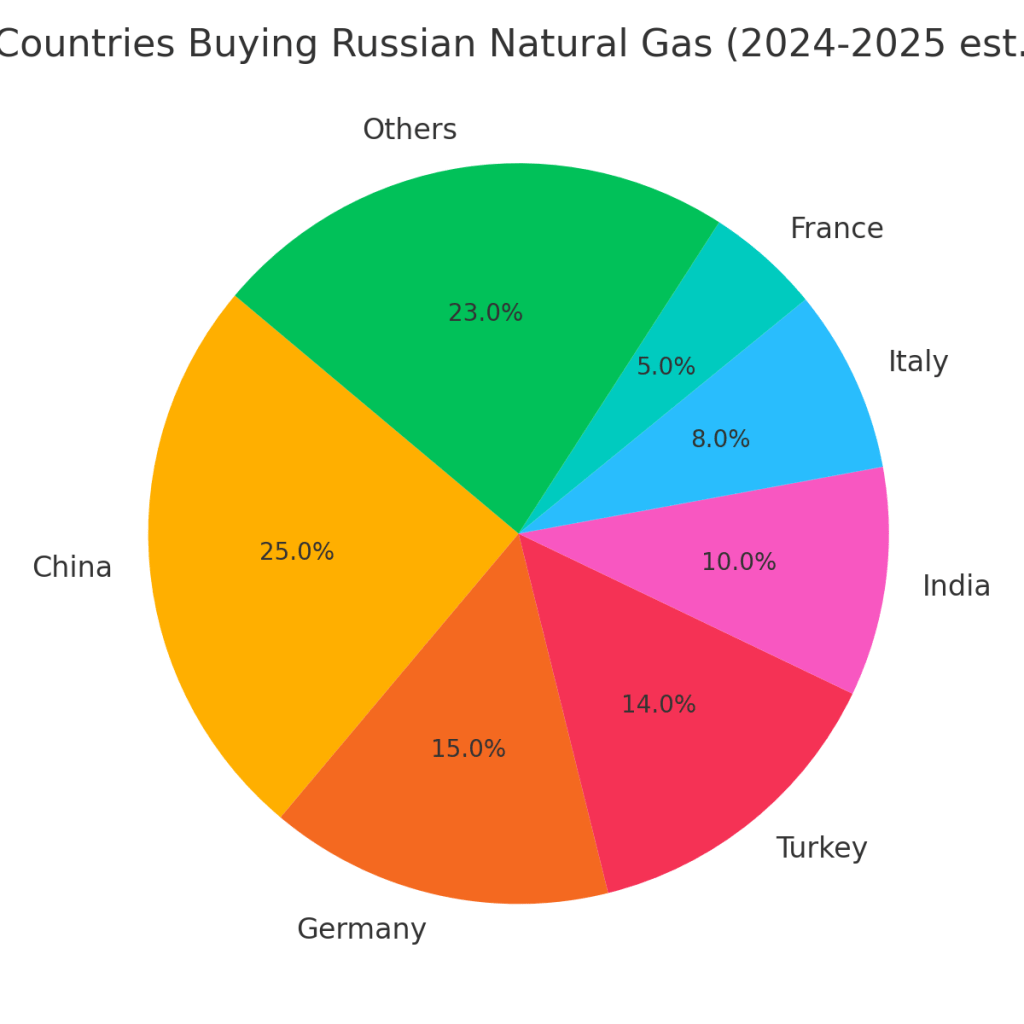
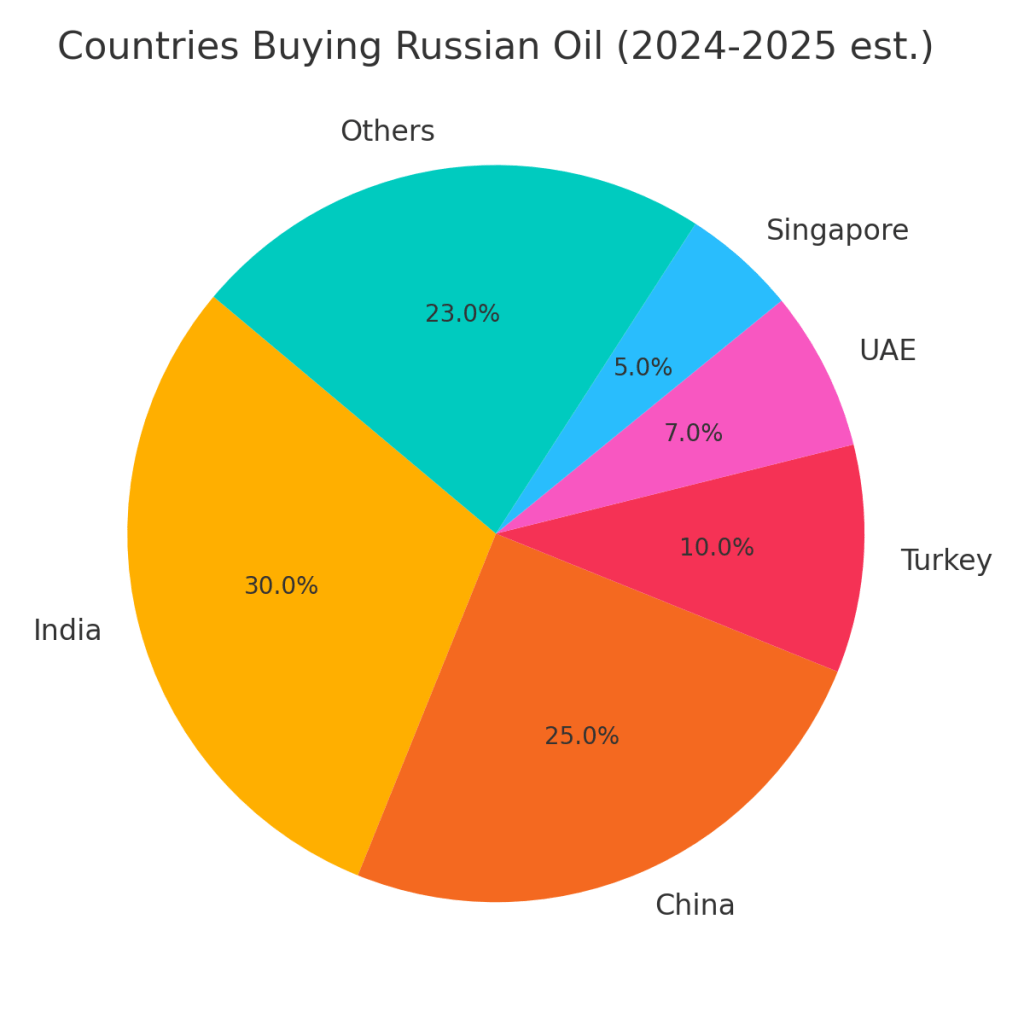
But let’s be real. This is a war of attrition. Ukraine is fighting valiantly, no doubt. But they don’t have the manpower or industrial capacity to win outright. And the world knows it.
That brings us back to Milena’s final remark: “We saw that Russian will only stop where he gets a good slap in the face.” What exactly does that mean? It’s a veiled call for escalation. A hint that Ukraine alone isn’t enough. But what she and others won’t say is this: “We want the United States to fight this war directly.” Because they know the American public doesn’t want it. Americans are tired of endless wars, tired of spending blood and treasure in foreign lands while others sit on their hands.
This isn’t about isolationism. It’s about realism. It’s about fair partnerships, accountability, and ending the global expectation that America will always be the muscle for someone else’s fight. We are not the world’s infantry. And it’s time we stop acting like it.
-“Sack Head” Shaun, Host “The Edge of Liberty”
📚 Sources & Citations
- Ukraine Aid Totals (Since 2022 & 1994):
Kiel Institute for the World Economy – Ukraine Support Tracker (May 2025 update)
https://www.ifw-kiel.de/topics/war-against-ukraine/ukraine-support-tracker/ - Budapest Memorandum Overview:
U.S. Department of State Archive, 1994 Security Assurances to Ukraine
https://1997-2001.state.gov/regions/nis/940512_ar_minsk_memorandum.html - Russian Fossil Fuel Trade & Sanction Evasion (2024–2025):
Centre for Research on Energy and Clean Air (CREA)
https://energyandcleanair.org/ - Countries Still Importing Russian Oil & Gas:
International Energy Agency (IEA) Reports, 2024–2025
https://www.iea.org/ - Sanctions Against Russia – Global Tracker:
Castellum.AI Sanctions Tracker
https://www.castellum.ai/ - Military Balance & Attrition Analysis:
- Institute for the Study of War (ISW) https://www.understandingwar.org/
- RAND Corporation Ukraine Conflict Studies https://www.rand.org/
- EU Sanctions Enforcement Variability:
European Commission Sanctions Overview
https://ec.europa.eu/ - U.S. Public Opinion on Ukraine Aid (2024–2025):
- Pew Research Center https://www.pewresearch.org/
- Gallup Polling https://news.gallup.com/
About the Author

Discover more from SHR Media
Subscribe to get the latest posts sent to your email.